

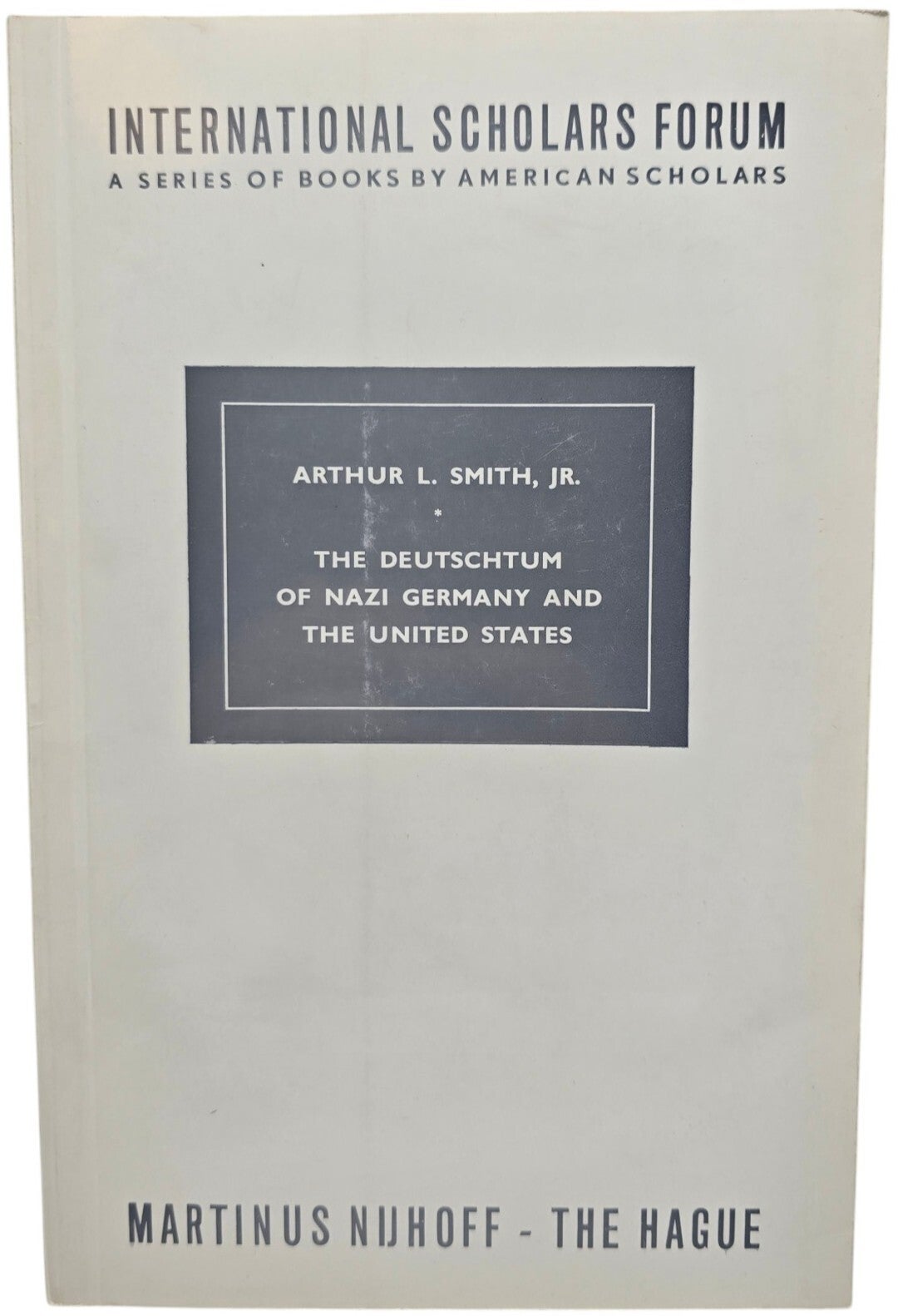
Original English Book – The Deutschtum of Nazi Germany and the United States, Arthur L. Smith, Jr. (1965)
Original English Book – The Deutschtum of Nazi Germany and the United States, Arthur L. Smith, Jr. (1965)
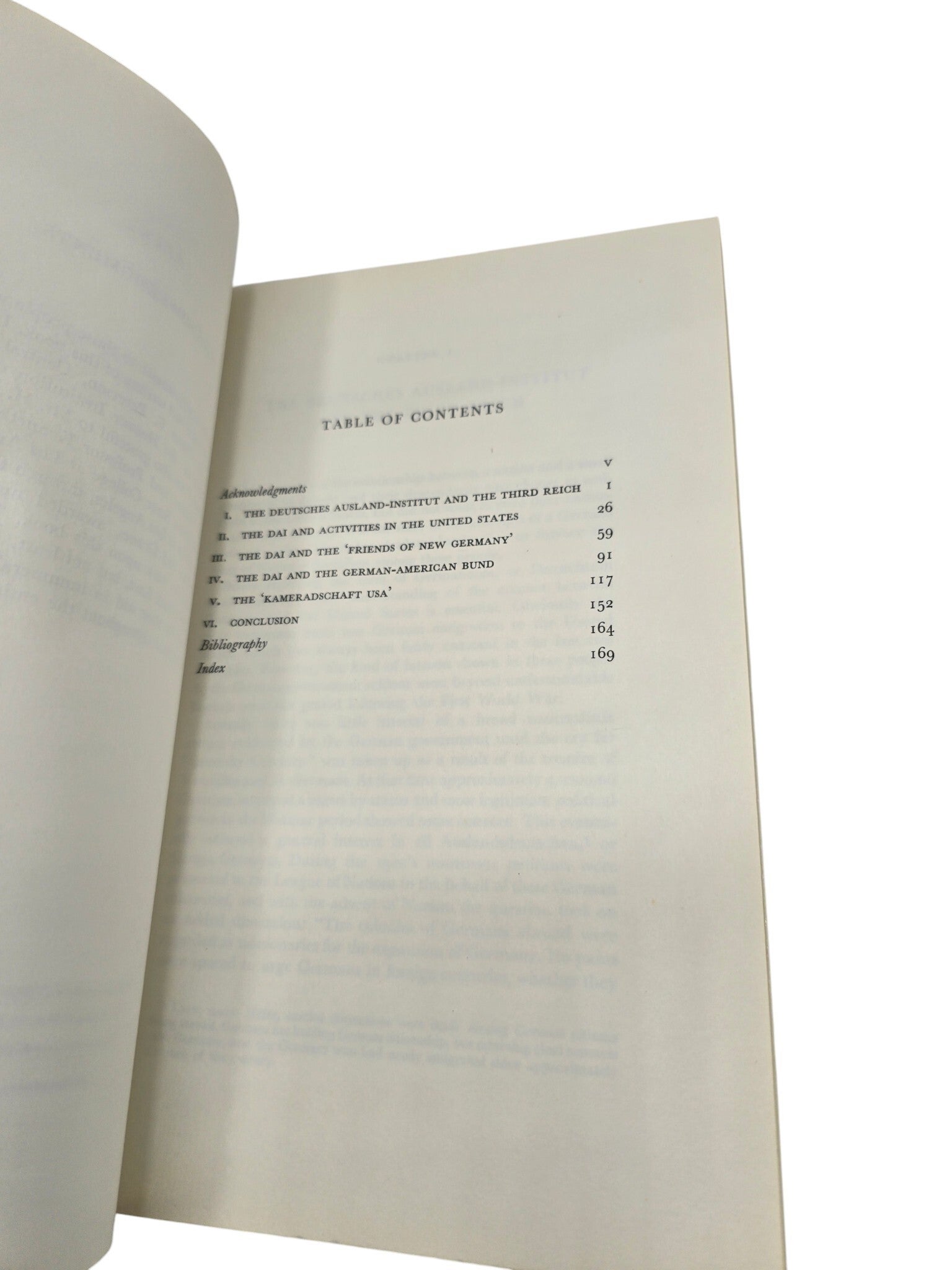
This book, The Deutschtum of Nazi Germany and the United States, is written by Arthur L. Smith, Jr. It examines the concept of “Deutschtum” (German identity and cultural nationalism) and its role in relations between Nazi Germany and the United States.
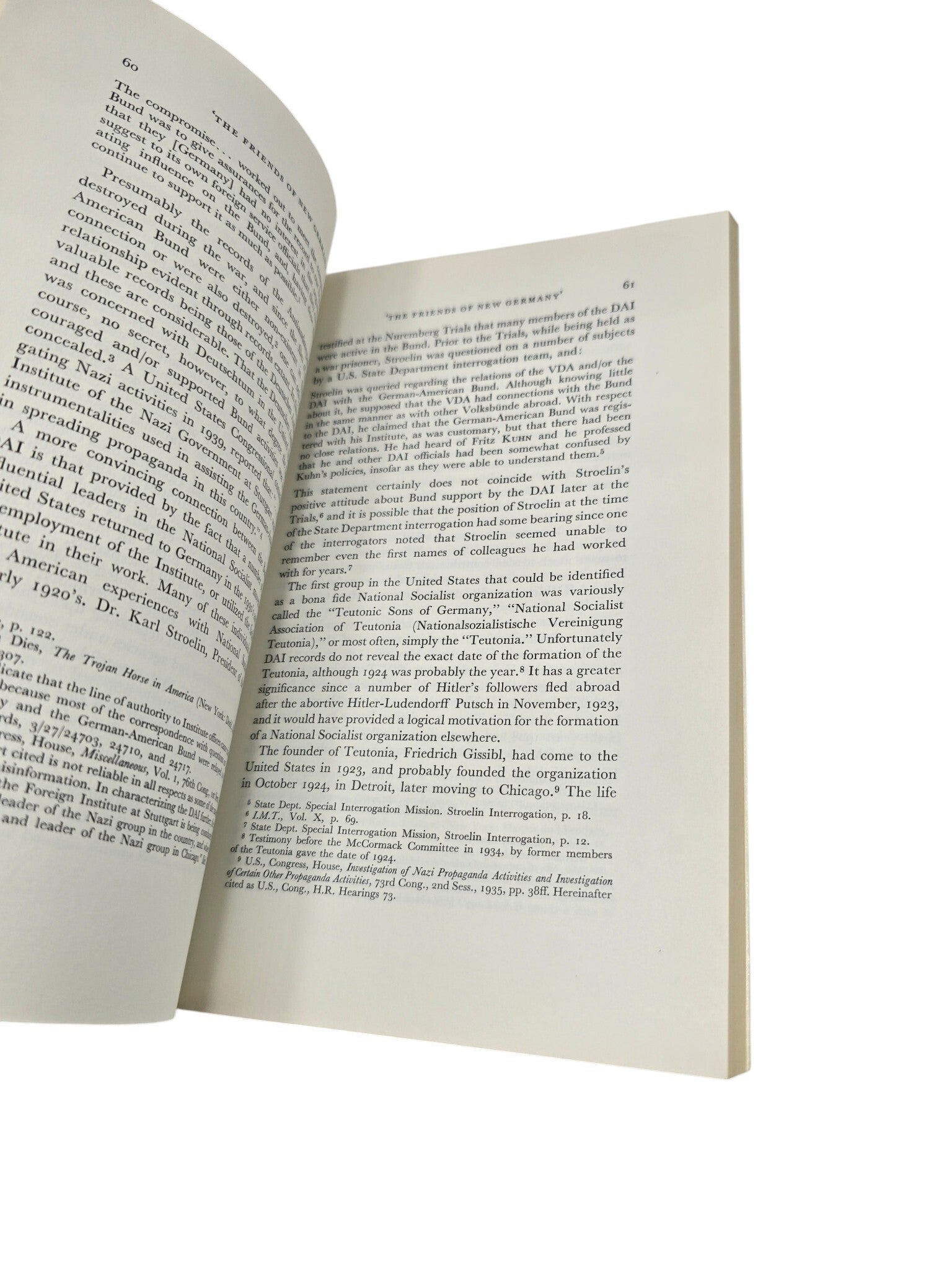
The study explores how ideas of German ethnicity, culture, and national identity were interpreted and used both within Nazi ideology and among German communities abroad, particularly in the United States. It analyzes propaganda, political influence, and the connections between ethnic identity and international relations.
The book also places these developments in a broader historical context, considering the impact of nationalism, migration, and ideological conflict in the period leading up to and during the Second World War. As a result, it contributes to a deeper understanding of transnational identity and its political implications in the twentieth century.
—
Origineel Engels Boek – The Deutschtum of Nazi Germany and the United States, Arthur L. Smith, Jr. (1965)
Dit boek, The Deutschtum of Nazi Germany and the United States, is geschreven door Arthur L. Smith, Jr. Het behandelt het begrip “Deutschtum” (Duitse identiteit en cultureel nationalisme) en de rol ervan in de relaties tussen nazi-Duitsland en de Verenigde Staten.
Het boek onderzoekt hoe ideeën over Duitse etniciteit, cultuur en nationale identiteit werden geïnterpreteerd en gebruikt binnen de nazi-ideologie en onder Duitse gemeenschappen in het buitenland, met name in de Verenigde Staten. Daarbij wordt ingegaan op propaganda, politieke beïnvloeding en de wisselwerking tussen etnische identiteit en internationale betrekkingen.
Daarnaast plaatst het werk deze ontwikkelingen in een bredere historische context en wordt gekeken naar de invloed van nationalisme, migratie en ideologische tegenstellingen in de aanloop naar en tijdens de Tweede Wereldoorlog. Daarmee biedt het een waardevolle bijdrage aan het begrip van transnationale identiteit en de politieke betekenis ervan in de twintigste eeuw.