

Original English Book – The Last Nazis, Perry Biddiscombe (2000)
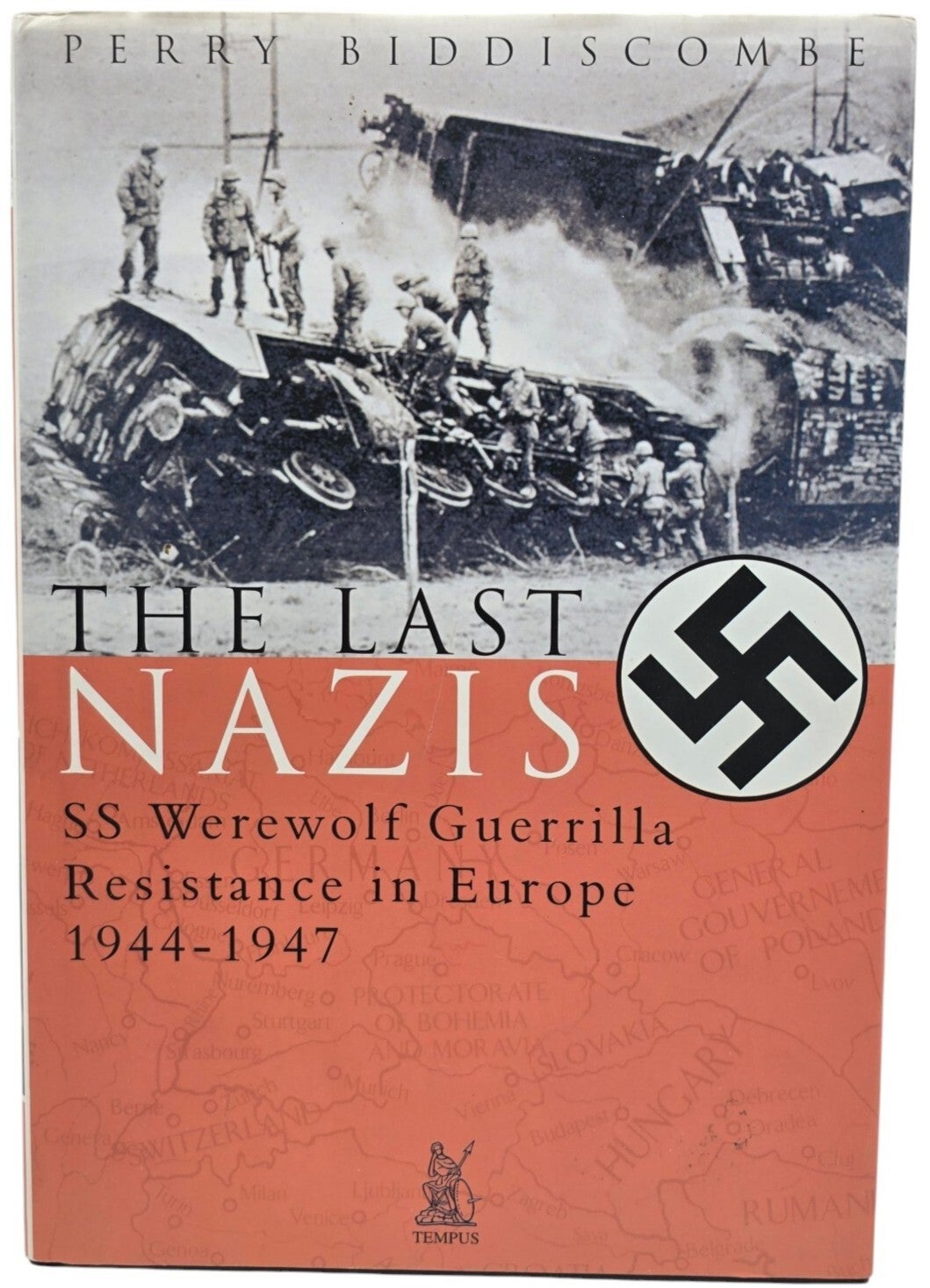
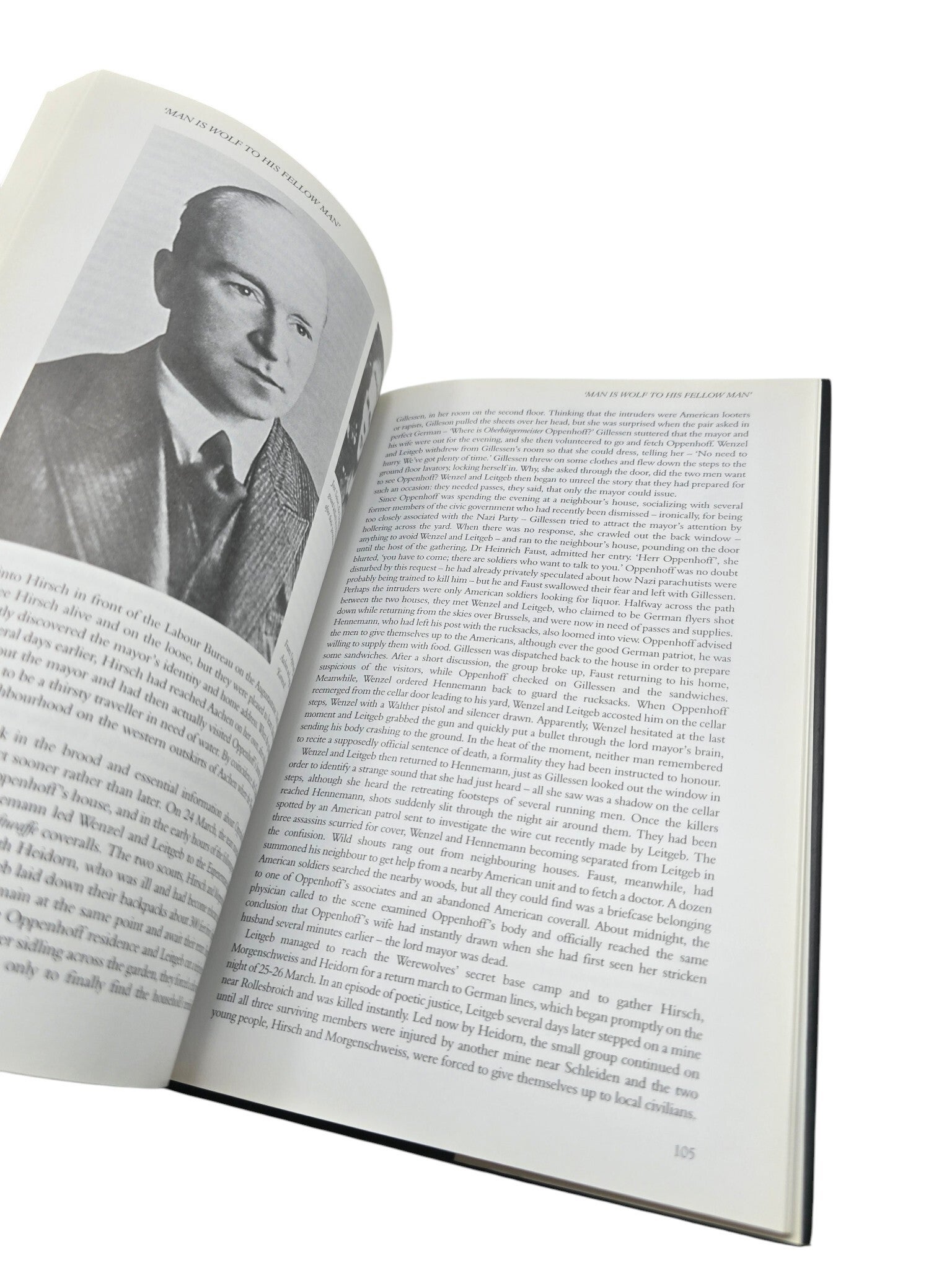
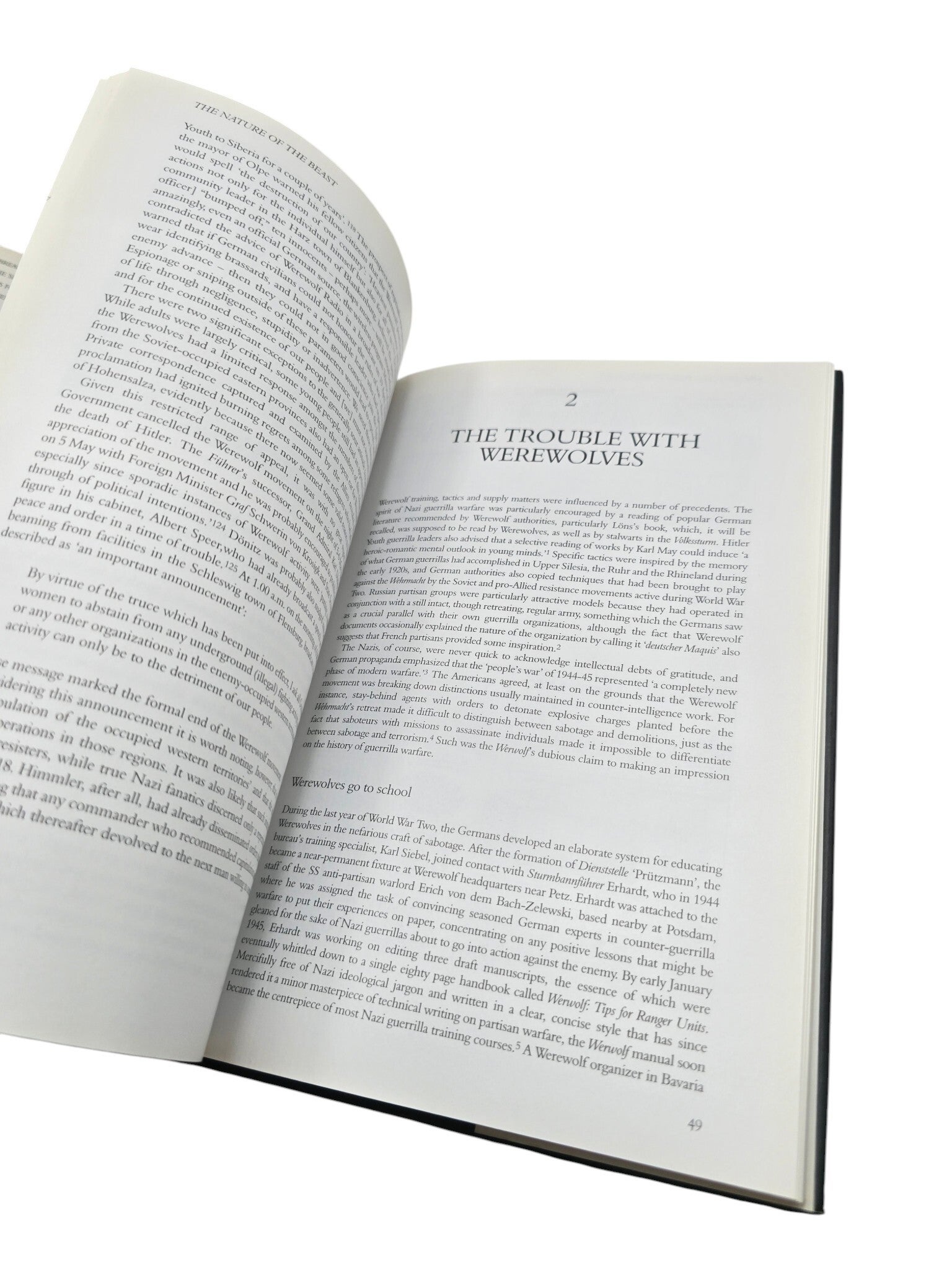
Original English Book – The Last Nazis, Perry Biddiscombe (2000)
This book, The Last Nazis: SS Werewolf Guerrilla Resistance in Europe 1944–1947, is written by Perry Biddiscombe. It examines the attempts by Nazi Germany to organize guerrilla resistance during the final phase and immediate aftermath of the Second World War.
The study explores the concept and reality of the so-called “Werewolf” movement, a planned network of SS-led insurgents intended to carry out sabotage and resistance behind Allied lines. It analyzes the organization, training, and operations of these groups, as well as their effectiveness and limitations.
The book also places these activities within the broader context of the collapse of Nazi Germany and the transition to Allied occupation. It discusses how fears of a widespread guerrilla campaign influenced Allied policies and perceptions, even when actual resistance remained limited. As a result, it contributes to a deeper understanding of the final phase of the war and its immediate aftermath in Europe.
—
Origineel Engels Boek – The Last Nazis, Perry Biddiscombe (2000)
Dit boek, The Last Nazis: SS Werewolf Guerrilla Resistance in Europe 1944–1947, is geschreven door Perry Biddiscombe. Het behandelt de pogingen van nazi-Duitsland om in de laatste fase en direct na de Tweede Wereldoorlog een guerrillaverzet te organiseren.
Het boek onderzoekt het concept en de werkelijkheid van de zogenaamde “Werewolf”-beweging, een gepland netwerk van door de SS geleide verzetsgroepen die sabotage en acties achter de geallieerde linies moesten uitvoeren. Daarbij wordt ingegaan op de organisatie, training en activiteiten van deze groepen, evenals hun effectiviteit en beperkingen.
Daarnaast plaatst het werk deze ontwikkelingen in de bredere context van de ineenstorting van nazi-Duitsland en de overgang naar geallieerde bezetting. Het laat zien hoe de angst voor een grootschalige guerrillaoorlog het beleid en de percepties van de geallieerden beïnvloedde, ondanks de beperkte daadwerkelijke weerstand. Daarmee levert het een waardevolle bijdrage aan het begrip van de laatste oorlogsperiode en de nasleep ervan in Europa.